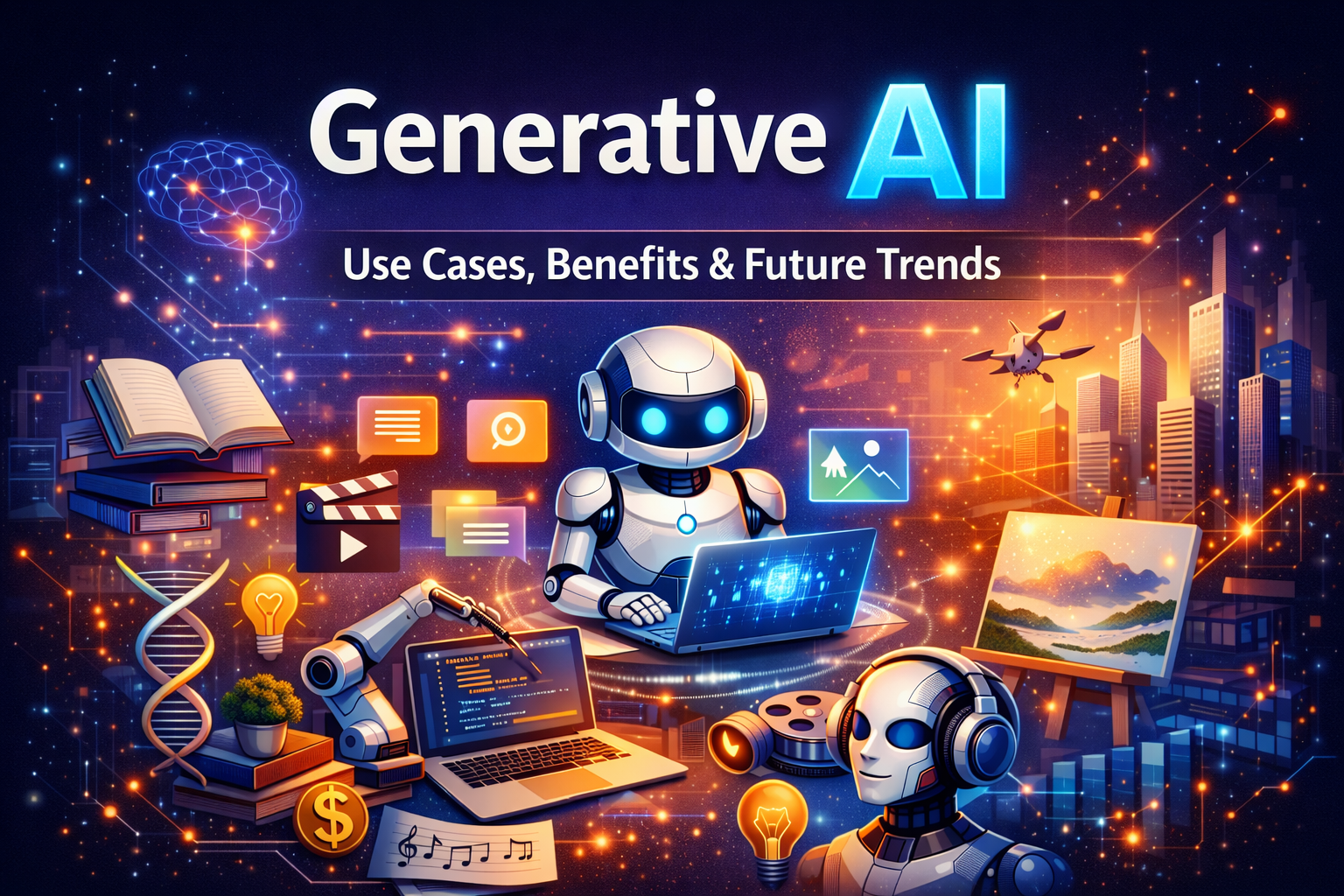
Generative AI has quickly moved from being a futuristic concept to an everyday reality. From writing content and designing visuals to assisting doctors and developers, this technology is reshaping how we work, create, and solve problems. Unlike earlier forms of artificial intelligence that mainly analyzed data, Generative AI has the ability to create new content—text, images, audio, videos, and even software code.
The massive attention around Generative AI comes from its versatility and accessibility. Businesses of all sizes are adopting it to boost productivity, while individuals are using it to simplify daily tasks. What once required teams of experts can now be achieved with the help of intelligent AI systems.
As Generative AI continues to evolve, it is transforming industries, redefining job roles, and changing how humans interact with technology. Understanding what it is, how it works, and where it is headed is essential for anyone looking to stay ahead in the digital era.
What Is Generative AI?
Definition of Generative AI in Simple Terms
Generative AI refers to a type of artificial intelligence that can generate new content rather than just analyze or classify existing data. It learns patterns from large datasets and uses that knowledge to produce original outputs such as written text, images, music, videos, or code.
In simple words, Generative AI doesn’t just “think”—it creates.
How Generative AI Works
Generative AI works by training advanced machine learning models on massive amounts of data. These models learn relationships, structures, and patterns within the data. Once trained, they can predict and generate new outputs that resemble human-created content.
The process typically involves:
- Large datasets for training
- Neural networks to understand patterns
- Continuous learning to improve accuracy and relevance
Difference Between Generative AI and Traditional AI
Traditional AI focuses on analyzing data and making decisions based on predefined rules. It answers questions like “Is this spam?” or “What is the trend?”
Generative AI, on the other hand, answers questions like:
- “Write an article”
- “Create an image”
- “Compose music”
- “Generate software code”
This creative capability is what makes Generative AI truly revolutionary.
Types of Generative AI Models
Large Language Models (LLMs)
LLMs are designed to understand and generate human-like text. They can write articles, answer questions, summarize documents, and even engage in conversations.
Image Generation Models
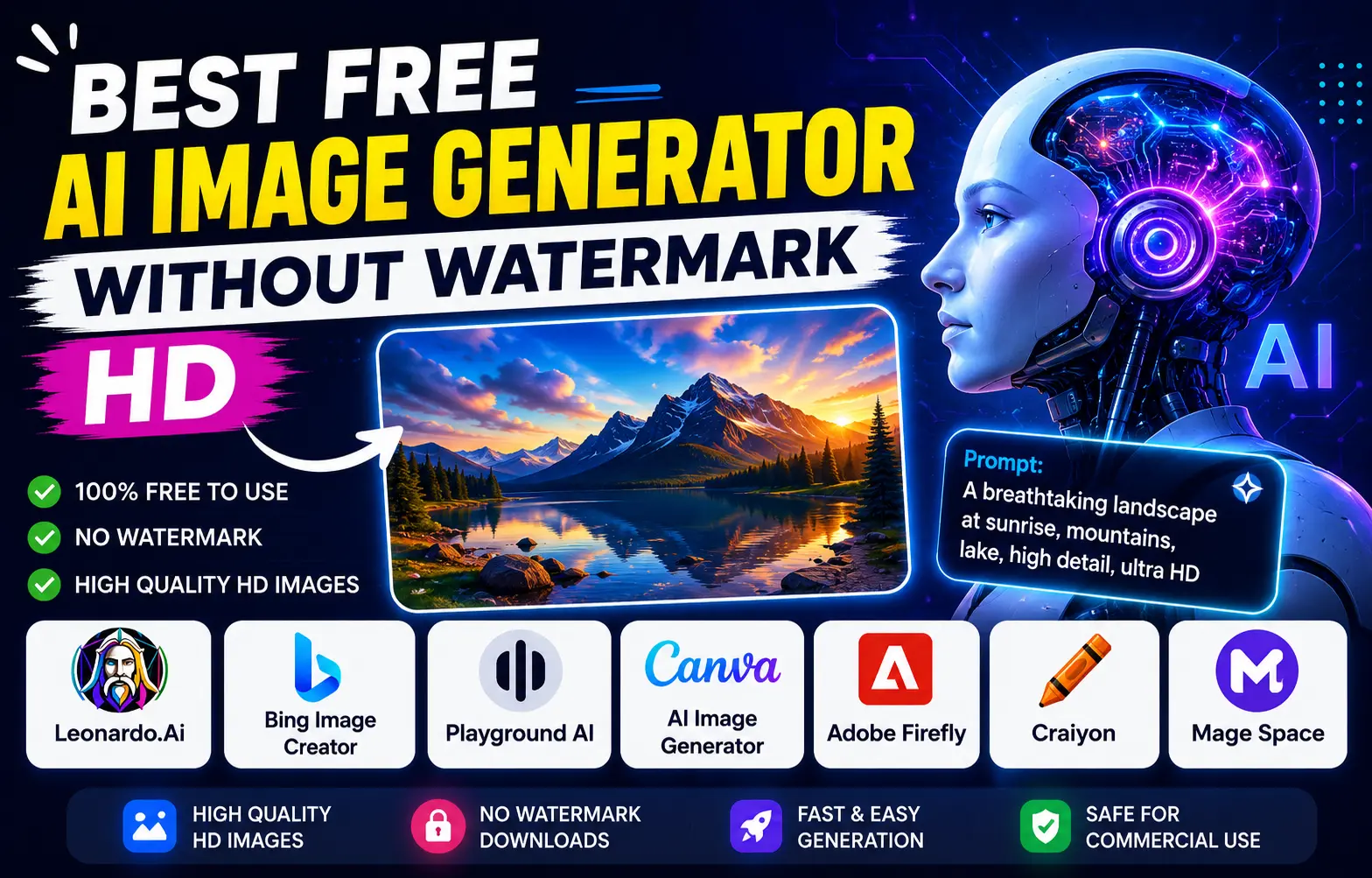
These models create realistic or artistic images based on text prompts. They are widely used in marketing, design, gaming, and media industries.
Video and Audio Generation Models
Generative AI can now produce videos, animations, sound effects, and realistic voiceovers, reducing the need for expensive production setups.
Code Generation Models
Code-focused models assist developers by generating code snippets, debugging errors, and even building entire applications faster.
Popular Examples of Generative AI Tools
Text-Based AI Tools
Used for content writing, chatbots, research assistance, and customer communication.
Image and Design Generation Tools
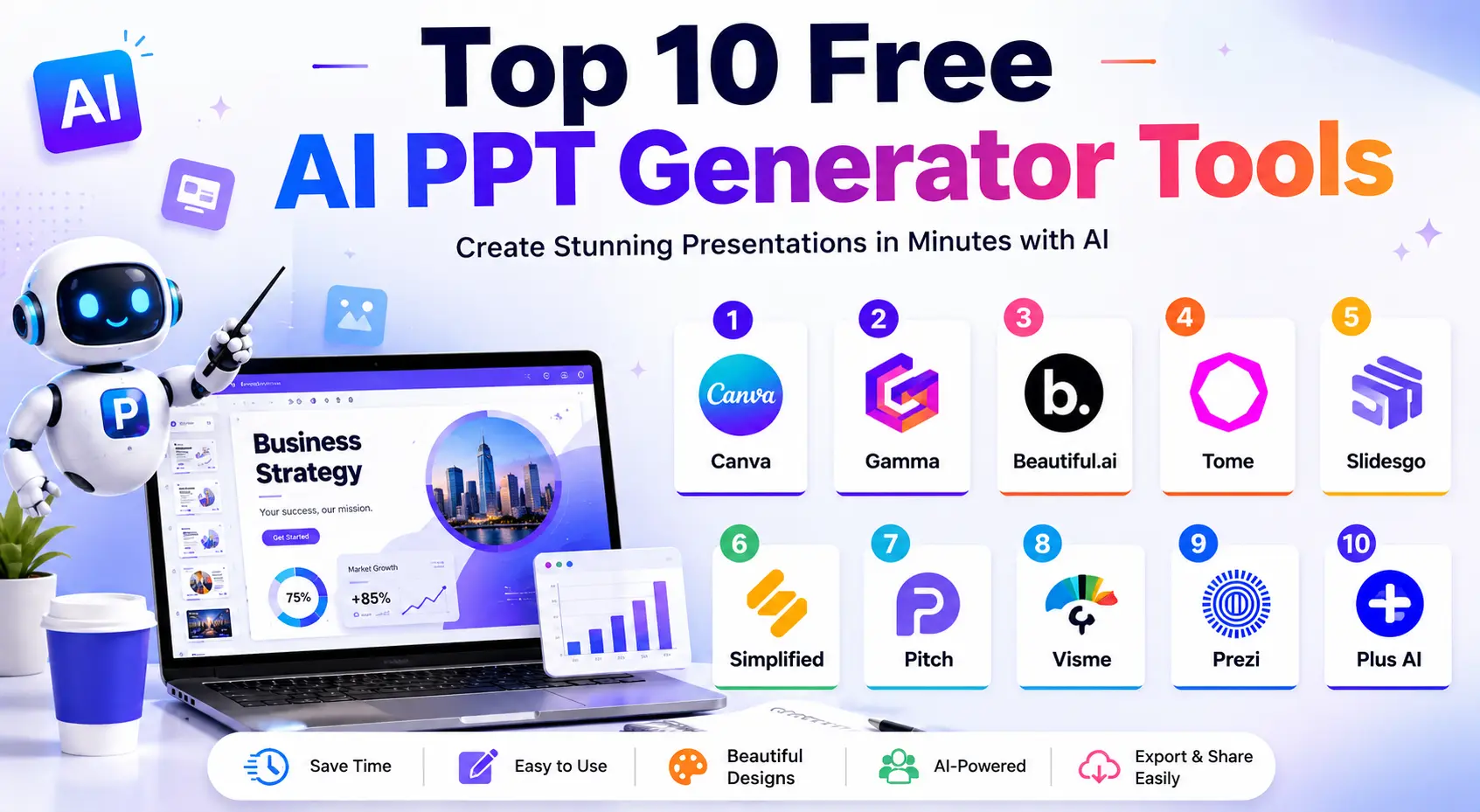
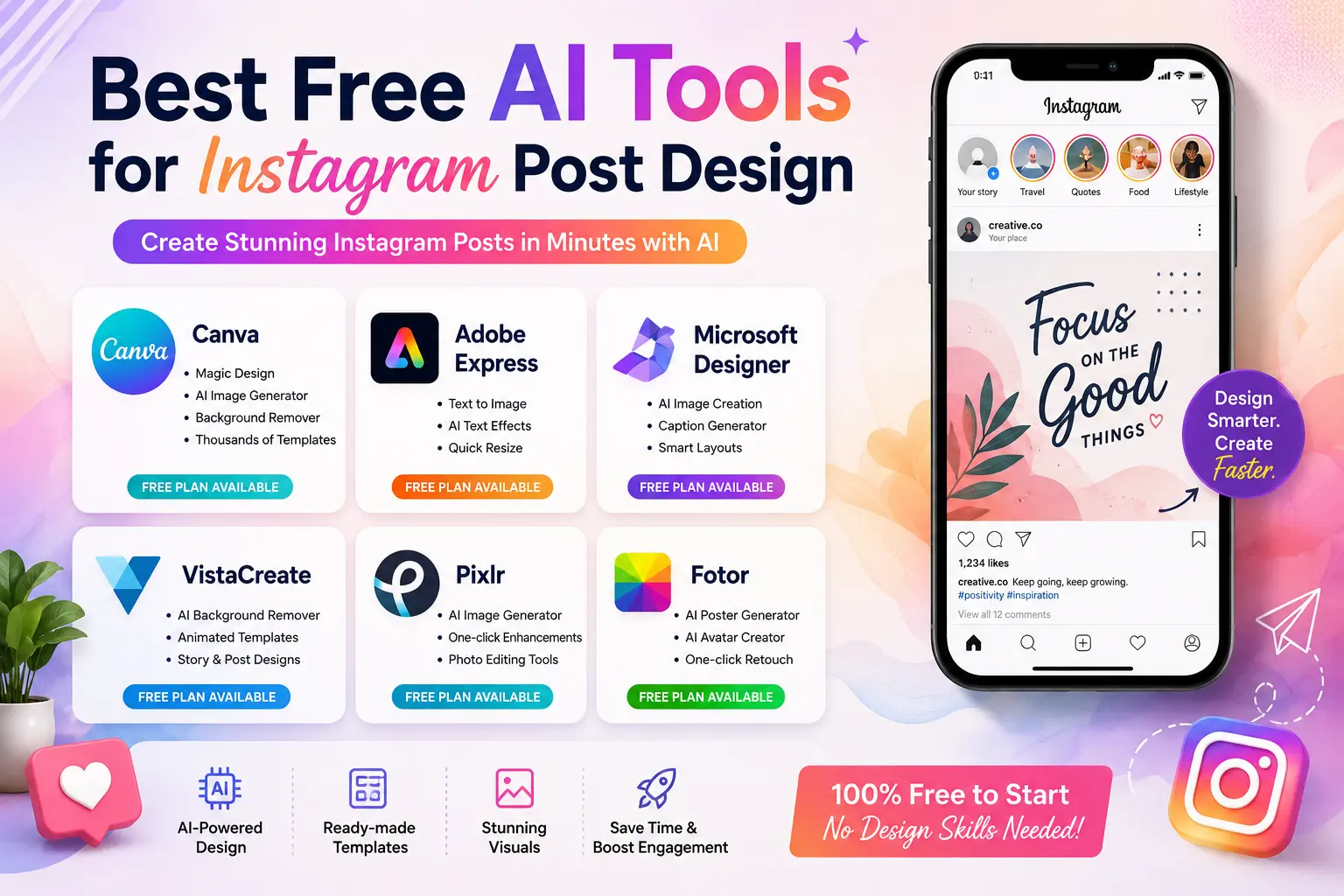
Help designers create logos, illustrations, social media visuals, and branding assets.
Video Creation Platforms
Enable automated video generation for marketing, training, and entertainment.
Music and Voice Generation Tools
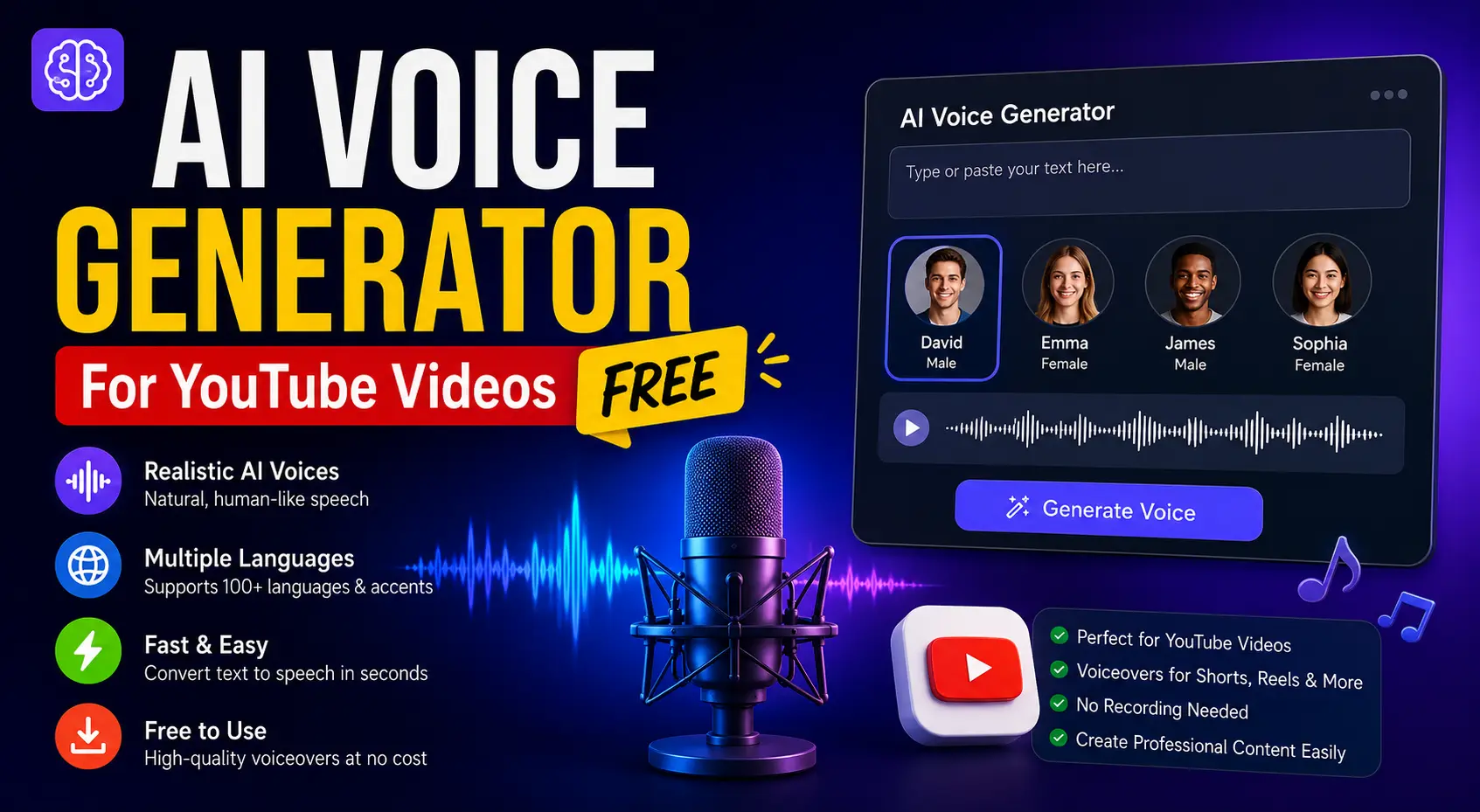
Used for composing music, generating voiceovers, and creating audio content.
Key Use Cases of Generative AI
1. Generative AI in Business
Businesses are adopting Generative AI to improve efficiency and reduce operational costs.
Common applications include:
- Marketing content creation for blogs, ads, and social media
- AI-powered customer support and chatbots
- Personalized sales recommendations and forecasting
Generative AI allows companies to scale faster while maintaining consistency.
2. Generative AI in Healthcare
Healthcare has seen major advancements through Generative AI.
Key use cases include:
- Automated medical report generation
- Drug discovery and clinical research acceleration
- Virtual health assistants for patient support
Doctors and researchers can focus more on patient care while AI handles routine tasks.
3. Generative AI in Education
Education is becoming more personalized and accessible.
Applications include:
- Customized learning experiences for students
- Automated lesson plans and educational content
- AI-powered tutors available 24/7
Generative AI helps bridge learning gaps and supports educators worldwide.
4. Generative AI in Software Development
Developers are using Generative AI to speed up workflows.
Benefits include:
- Faster code generation and debugging
- Automated testing and documentation
- Rapid application development
This allows development teams to focus on innovation instead of repetitive tasks.
5. Generative AI in Creative Industries
Creative fields are experiencing a transformation.
Generative AI supports:
- Graphic design and brand identity creation
- Video editing and animation
- Music composition and storytelling
Rather than replacing creativity, Generative AI enhances it.
Benefits of Generative AI
Generative AI offers a wide range of advantages across industries:
- Increased productivity and efficiency
- Cost reduction for businesses
- Enhanced creativity and innovation
- Faster and data-driven decision-making
- Scalability across multiple use cases
Its ability to automate complex tasks makes it a powerful business enabler.
Challenges and Limitations of Generative AI
Despite its benefits, Generative AI comes with challenges.
- Data privacy and security concerns
- Ethical issues and bias in AI outputs
- Accuracy and hallucination risks
- Heavy dependence on high-quality data
- Regulatory and compliance challenges
Addressing these limitations is essential for responsible AI adoption.
Best Practices for Using Generative AI
To get the most value from Generative AI, organizations should follow best practices:
- Choose AI tools aligned with business goals
- Maintain human oversight for validation
- Ensure data security and ethical use
- Continuously train and update AI systems
A balanced approach ensures reliability and trust.
Future Trends of Generative AI
The future of Generative AI looks promising.
Key trends include:
- Rise of multimodal AI systems combining text, image, and audio
- Integration of Generative AI into everyday tools and apps
- AI-powered autonomous agents handling complex workflows
- Stronger regulations and ethical AI frameworks
- Growth of industry-specific AI solutions
Generative AI will become more intelligent, contextual, and human-centric.
Impact of Generative AI on Jobs and Skills
Generative AI will reshape the job market.
Jobs likely to be automated
- Repetitive data-entry tasks
- Basic content generation
- Routine customer support roles
New job roles created
- AI trainers and prompt engineers
- AI ethics and compliance experts
- Human-AI collaboration specialists
Upskilling and reskilling will be critical for future success.
How Businesses Can Prepare for Generative AI
Businesses can stay competitive by preparing early.
- Develop a clear AI adoption strategy
- Train teams on AI tools and workflows
- Invest in scalable AI infrastructure
- Partner with reliable AI solution providers
Proactive adoption ensures long-term growth and innovation.
Conclusion
Generative AI is no longer an emerging trend—it is a transformative force shaping the present and future. From business operations and healthcare to education and creative industries, its impact is widespread and profound.
As Generative AI continues to evolve, organizations and individuals who adopt it responsibly will gain a significant advantage. The key lies in combining human intelligence with AI capabilities to drive innovation, efficiency, and sustainable growth.
The future belongs to those who understand and leverage Generative AI strategically.
FAQ’s:
1. What is Generative AI and how does it work?
Generative AI is a form of artificial intelligence that creates new content by learning patterns from large datasets and generating original outputs.
2. What are the most common use cases of Generative AI?
Common use cases include content creation, customer support, healthcare research, education, software development, and creative design.
3. Is Generative AI safe to use for businesses?
Yes, when used responsibly with proper data security, ethical guidelines, and human oversight.
4. How will Generative AI impact jobs in the future?
It will automate repetitive tasks while creating new roles focused on AI management, ethics, and innovation.
5. What industries benefit the most from Generative AI?
Industries like business services, healthcare, education, technology, and creative sectors benefit the most.